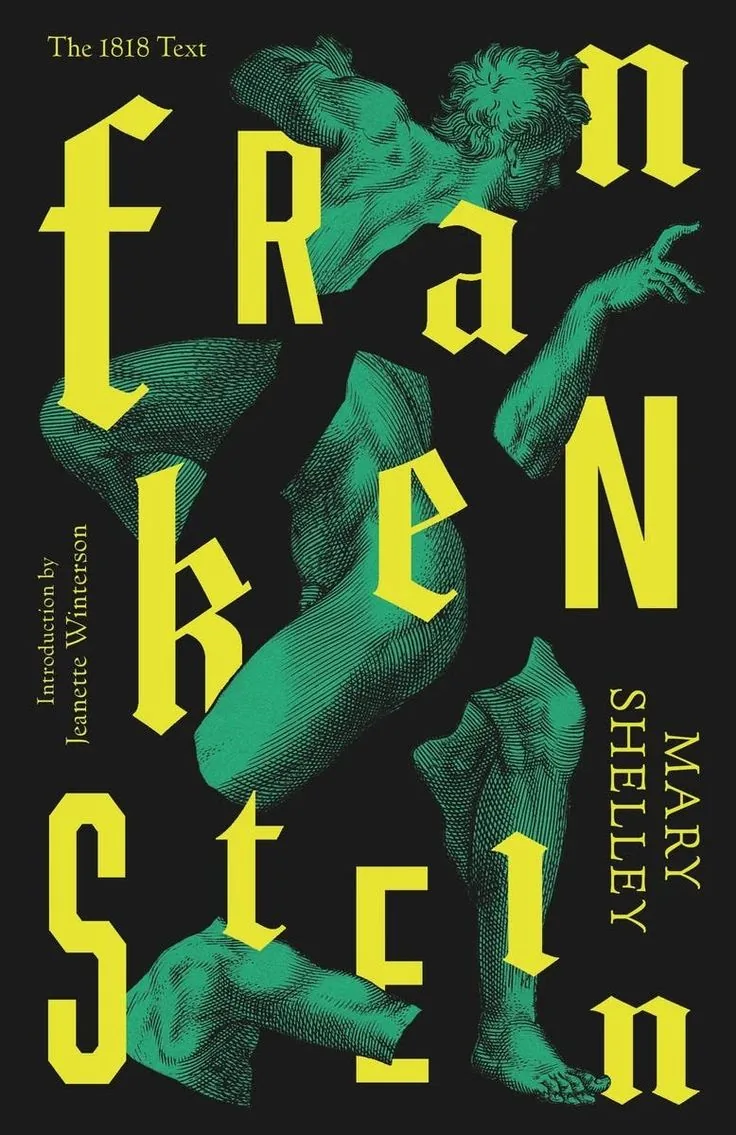
On a stormy summer night, Mary Wollstonecraft Shelley beings to life the most famous creature in cinema. Born out of a competition among artists and the young writer’s personal experience, Frankenstein; or, The Modern Prometheus is the quintessential Gothic novel and has profoundly influenced the cultural imagination of the entire world since its first publication in 1818.
Not even cinema can escape its power of attraction, and soon Frankenstein, whether the doctor or the monster, becomes a central figure. Beyond its horror elements, the story is a source of interest for the philosophical debate on science, nature, and human hubris: the novel, which marks the beginning of the science fiction genre, addresses humanity’s titanic desire to play God, to toy with life and death, and the destruction that this entails.
In Geneva, amid Lord Byron’s parties, Mary gathers the pain of an entire life—the death of her mother, the difficult relationship with her father, the loss of her first daughter, Clara—and builds the Creature, an embodiment of the writer’s Romantic poetics. With a nostalgic and introspective tone, Shelley paints a world that is frighteningly similar to our own and a constant source of reflection.
Among the film adaptations, it’s worth mentioning the legendary 1931 Frankenstein, directed by James Whale; Mel Brooks’ timeless Young Frankenstein (1974); and the recent Frankenstein by Guillermo del Toro (2025) and The Bride! by Maggie Gyllenhaal (2026).