

Today, Iran is in the global spotlight, partly because of the war with the United States. The country, however, has been in turmoil for some time due to the protests that have arisen in recent years against the regime established after the 1979 Islamic Revolution. This has been followed by waves of brutal repression affecting the entire population: one such example is the systematic discrimination against the Bahá’í community.
The Bahá’í faith is a monotheistic religion that preaches unity and justice amongst all people, and in Iran it is subject to severe persecution. In 1983, in Shiraz, a city in the province of Fars in southern Iran, ten women were tortured and then murdered for refusing to renounce their faith.
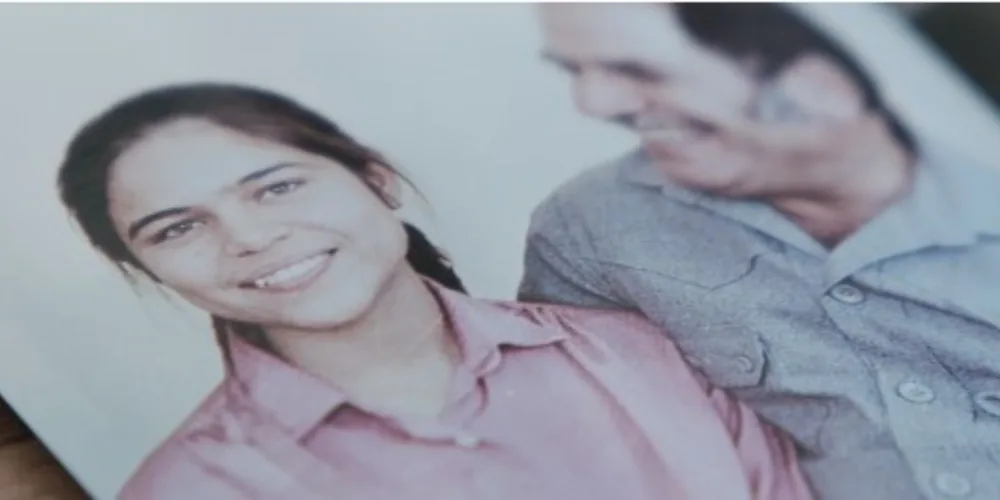
The episode is recounted in the film Women Who Said No (shown above in a scene). Through interviews with the victims’ family members, director Sepher Atefi chronicles a persecution that has been ongoing for about 50 years. The documentary was screened in late June as part of the “Iranian Cinema: The Art of Dissent” series at the Cineteca Milano Arlecchino; Ramtin Ghazavi, an internationally renowned tenor and member of the Maanà Association—which promoted the film—introduced the director and witness Yeganeh Agahi.
Yeganeh had been arrested, along with nine other women, on charges of “educational propaganda” against Islamic law, in a clear reference to the Shiraz massacre; Yeganeh has now been a refugee in Germany for two years, but her fellow activists are still in Iran.
Yeganeh’s account, which describes the horrors she endured in prison, shows us the spirit of resistance that permeates the Iranian people.
The films that made up the festival, which concluded on July 7th, embody the courage of cinema that refuses to bow down. Each film, including Persepolis, which returned to cinemas in honour of its creator and director Marjane Satrapi, who passed away on June 4th, becomes a political act against an oppressive power.
The meeting drew to a close with a final request from the female prisoners – a call that resonates throughout the festival: to speak out and carry on living for those who cannot